Creator Burnout: How to Dodge “Winter” in the YouTube Lifecycle (and Keep Your Creative Spark)

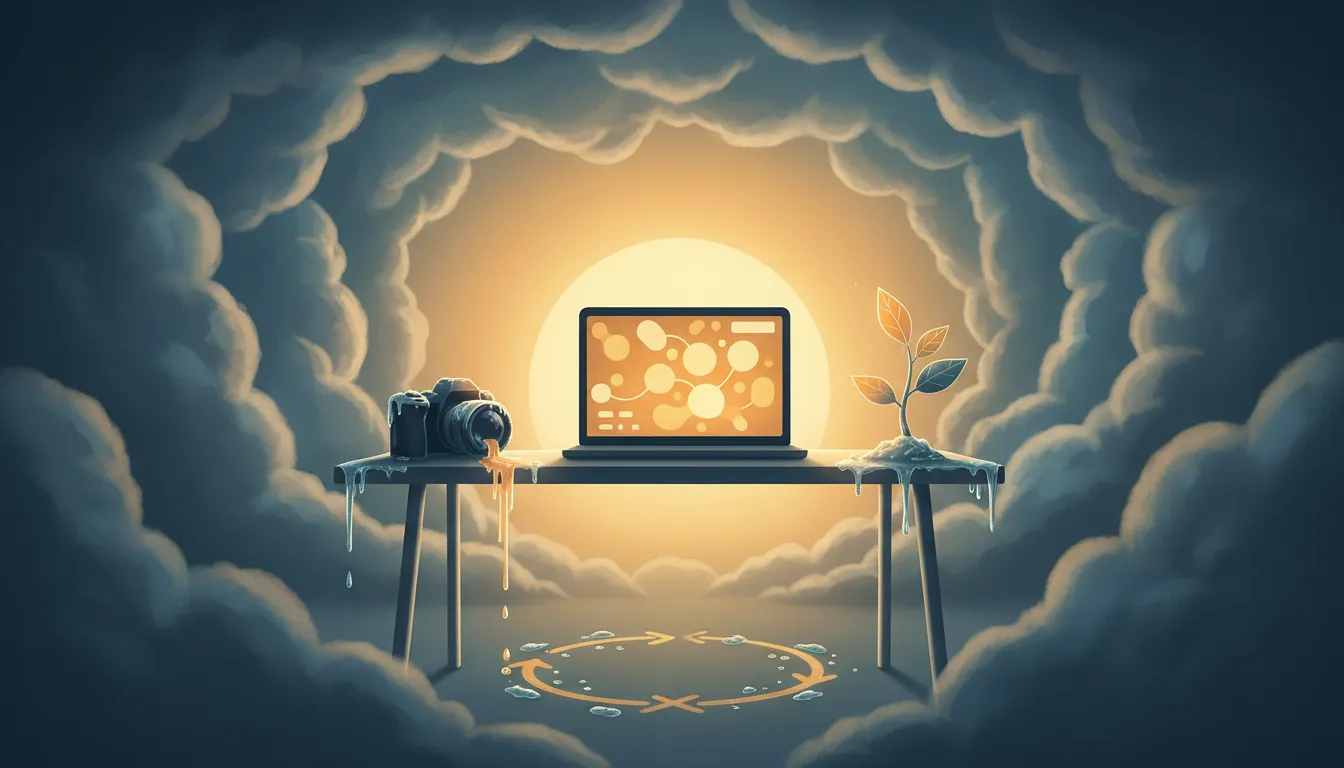
Every creator goes through seasons. Early on, momentum feels effortless. Later, the grind can start to feel heavy. Eventually, many people hit a “winter” phase where motivation drops, creativity feels blocked, and confidence takes a hit. The good news is that burnout is not a character flaw. It is a predictable cycle, and you can interrupt it.
This guide explains the creator lifecycle, what causes the winter phase, and practical ways to shorten it, recover faster, and keep your creative energy sustainable on YouTube and beyond.
What “winter” means in the creator lifecycle
In creator terms, “winter” is the period when making content stops feeling energizing and starts feeling like survival. It often includes:
- Creative fatigue (ideas dry up or feel unoriginal)
- Emotional volatility (mood swings tied to performance metrics)
- Isolation (fewer conversations, more withdrawal)
- Self-criticism (you judge every draft and fall short of your own standards)
- Health and lifestyle drift (sleep, exercise, and relationships get neglected)
Winter is not guaranteed, but it is common. It tends to show up after you have already proven you can grow and produce. That is why it feels so confusing. You are doing “everything right,” yet you feel worse.
Why burnout happens to creators (even successful ones)
Burnout tends to occur when multiple pressures stack at once. Common drivers include:
- Identity fusion: when your self-worth becomes tied to channel performance, criticism lands harder.
- Role overload: creators can get stuck doing scripting, recording, editing, thumbnail design, analytics, outreach, and more.
- Chasing certainty: the more you fear drops in views or changes in the algorithm, the more you attempt to control everything.
- Unmanaged stress responses: some people freeze, withdraw, argue, or spiral into obsessive checking.
- Perfectionism: “If I cannot make it great, I cannot post it,” which increases pressure and delays wins.
A key insight: winter often starts before it feels obvious. The first signs are subtle. Your habits change first, then your creativity follows.
The spring, summer, fall, winter pattern (and where creators get stuck)
Many creator journeys loosely follow a seasonal cycle:
- Spring (inception and learning): optimism, experimentation, early wins, and intense motivation.
- Summer (development and refinement): output becomes routine, skills improve, and focus tightens.
- Fall (pressure and evaluation): results are measured, feedback gets louder, and expectations rise.
- Winter (burnout and creative stagnation): your system becomes stressed, and creativity feels trapped.
Where people get stuck is typically the transition from fall to winter. That is when performance anxiety starts outweighing creative joy.
The “three deadly illusions” that push creators into winter
Winter usually intensifies when creators believe one or more harmful stories:
1) “Criticism is information, so I must keep sharpening myself.”
Feedback is useful. Constant self-judgment is not. When criticism becomes a daily internal voice, it reduces risk-taking and originality. You start playing it safe.
2) “If I just work harder, I can outrun exhaustion.”
Work can fix some problems. But burnout is a nervous system and lifestyle issue, not only a productivity issue. Pushing harder often increases the speed toward emotional collapse.
3) “Isolation will help me focus.”
Isolation feels productive. It is also one of the fastest ways to spiral. When you lose social support, negative thoughts have more room to grow.
How to dodge winter: a practical recovery playbook
Use this framework when motivation drops or the creative spark feels threatened.
Step 1: Reconnect to community immediately
When you feel overwhelmed, isolate and you reduce your chances of recovery. Community interrupts spirals.
What to do this week:
- Reach out to one person who makes you feel grounded.
- Join a creator group or accountability circle (even if it is small).
- Swap help with someone who handles a different part of production.
A simple rule: if your support system is shrinking, your burnout risk is rising.
Step 2: Stop tying your mood to performance metrics
It is normal to care about results. The problem is when your inner state depends on them.
Try this: separate “content performance” from “your worth.” Use a routine that gives results a time slot and your identity a boundary.
- Check analytics at set times (for example, once per week).
- Write one measurable takeaway and one creative takeaway after reviewing.
- Do not make decisions while anxious. Delay big changes by 24 to 72 hours.
Step 3: Use emotional reset techniques in short bursts
Winter symptoms often improve when your body calms down. You do not need a long therapy session to start recovery. Small resets add up.
Low-effort tools that work for many creators:
- Affirmations (2 to 5 minutes): remind yourself of your values before production.
- Breathing (1 to 3 minutes): slow exhale to reduce stress.
- Gratitude journaling (2 to 5 minutes): list small things you genuinely appreciate.
- Play disruption: break the “serious only” mindset with something silly and brief.
Pick one tool and practice it consistently, not only when you feel awful.
Step 4: Reduce creative pressure by changing the production system
Perfectionism often shows up as endless revisions, delayed posting, and fear of being “not good enough.” Instead, redesign your system for momentum.
Three system changes to consider:
- Lower the minimum viable standard: define what “good enough to publish” means.
- Batch tasks: separate recording time from editing time to reduce mental switching.
- Delegate or collaborate: even partial delegation (editing, thumbnails, research) can reduce overload.
Step 5: Rebuild your purpose during winter
Winter gets dangerous when you stop feeling like you contribute. Purpose does not require dramatic reinvention. It requires direction.
Ask:
- Who benefits from this content?
- What problem do you help solve?
- What values does your channel represent?
When purpose is clear, it becomes easier to push through dull days without losing your identity.
A creator burnout checklist (early warning signs)
Use this to catch winter before it becomes severe.
- Sleep is slipping or irregular.
- Work expands to fill nights, weekends, and family time.
- You stop doing non-creator activities that used to replenish you.
- You dread production and delay it longer than usual.
- Drafts feel “never ready”.
- You argue more with partners, friends, or teammates due to stress.
- Isolation increases (you talk less, ask for help less).
- Criticism overwhelms you, even when it is small.
If you check multiple items, treat it as a signal to intervene now, not later.
Common mistakes that make winter longer
- Only addressing strategy (upload schedule) but ignoring lifestyle and stress.
- Trying to “win” the algorithm while emotionally depleted.
- Staying isolated and assuming you will bounce back alone.
- Allowing perfectionism to block publishing.
- Hiring too late and then expecting relief without process and expectations.
How to recover and shorten winter
Winter length varies by person, but you can usually shorten it by stacking supportive actions.
- Stabilize your nervous system (sleep, food, short resets).
- Bring in community (one outreach today, not “someday”).
- Simplify the next deliverable (publish a version, not a masterpiece).
- Lock in one creative constraint (example: one format, one topic pillar, one editing template).
- Review with compassion (what worked, what to test next, what to stop).
Recovery is not about forcing constant productivity. It is about restoring your ability to create without self-destruction.
Frequently asked questions
Is burnout the same as creative block?
They overlap, but burnout is broader. Creative block is often a creative output issue. Burnout includes stress, mood changes, health decline, and isolation. If your body and emotions are deteriorating, treat it as burnout, not just creativity.
What if my channel performance is dropping?
Performance drops are common. The risk is responding with panic decisions and self-criticism. Stick to a testing plan, limit anxiety-driven changes, and keep publishing experiments you can learn from.
Should I quit YouTube to feel better?
Not necessarily. Many creators improve without quitting by changing workload, systems, and support. If you are in severe distress, consider professional support and create a temporary plan that reduces pressure.
How do I keep my identity separate from my content?
Use routines that reinforce values and relationships outside production. Also, make performance reviews time-bound and decision-bound. Your content can change. Your worth should not.
Key takeaway
Winter is predictable, but it is not permanent. The shortest path out is usually a combination of community, stress regulation, systems that reduce perfectionism, and reconnecting to purpose. When you protect your creative energy, your output becomes sustainable again.


