
Naukri Was Almost Called JobNet: A Masterclass in Naming Your Startup Right
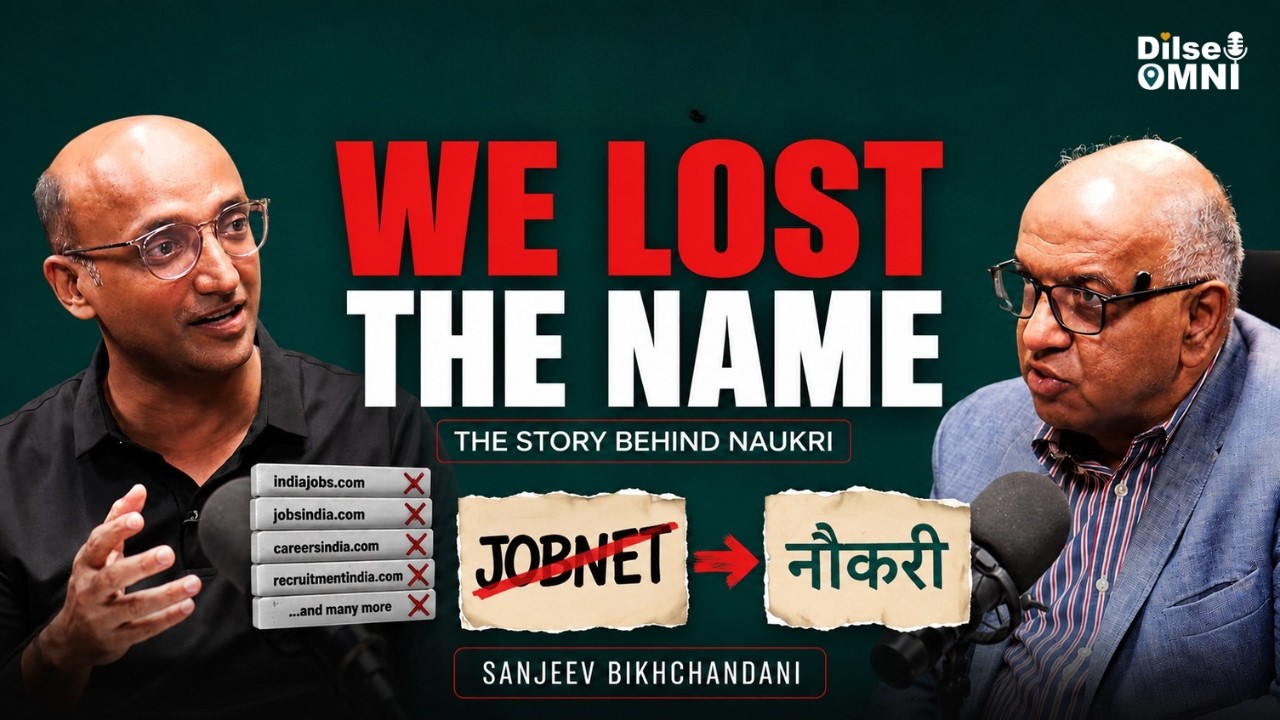
A startup name can look like a small decision in the early days. There are product decisions, hiring decisions, funding decisions, technology decisions, and the daily fight to simply get the business moving. But as I learned in my conversation with Padma Shri Sanjeev Bikhchandani, a name is not a cosmetic layer added after the real work is done. It can become the first explanation of what a company does.
Sanjeev is the founder of Info Edge, the company behind Naukri.com, 99acres, Jeevansathi, and Shiksha. He has also been an early strategic investor in companies such as Zomato and Policybazaar, while backing more than 100 deep-tech and AI startups through Info Edge Ventures. When somebody who has built and invested across so many iconic Indian internet brands speaks about naming, the lesson is not about clever wordplay. It is about category creation, clarity, recall, and timing.
The story that stayed with me most was beautifully simple: Naukri.com was almost called JobNet. That alternate history tells us a great deal about domain strategy, first-mover advantage, and why simple names often win.
Table of Contents
- Why Naming Your Startup Matters
- The Story Behind JobNet vs Naukri
- How Naukri.com Got Its Name
- Why Simple Brand Names Win
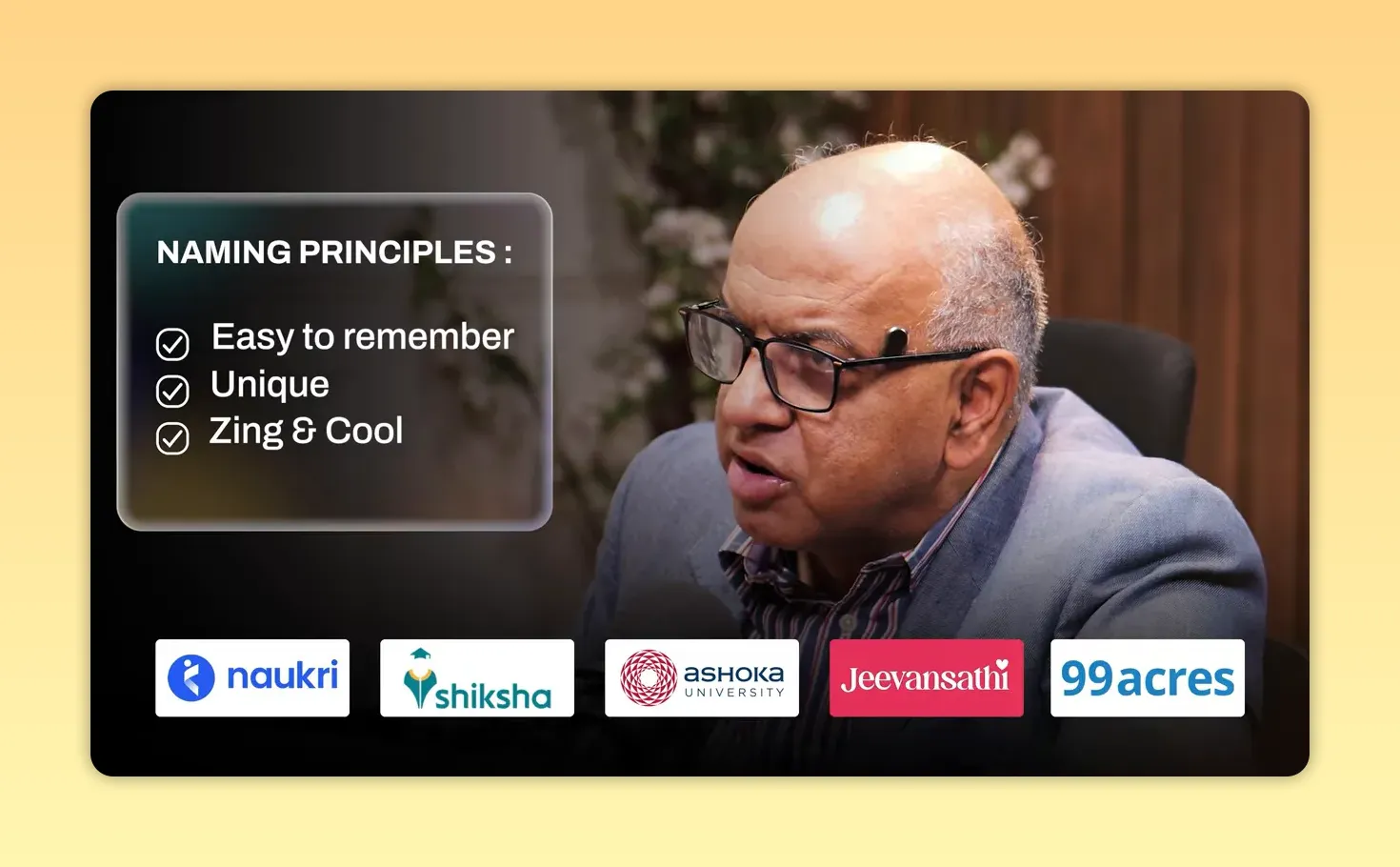
- The 4 Qualities of a Great Brand Name
Why Naming Your Startup Matters
When I asked Sanjeev how important it is to name a business correctly, his answer came from the perspective of a founder building something new in a market that may not yet have a clear category.
“When you are first mover, it is important that your name communicates what you are about.”
This is the crux of the matter. A first mover is not merely competing for attention. Often, it is teaching the market what the category itself is. If the name creates friction or requires a lengthy explanation, the business has made its job harder from day one.
Think about what happens when someone hears a new brand name. Before they understand the product experience, pricing, technology, or strategy, they are trying to answer a basic question: What is this? A strong startup name reduces the gap between hearing the brand and understanding its promise.
That is why some of India’s most recognisable digital businesses have names that are remarkably direct. Naukri immediately signals jobs. Shiksha connects to education. Jeevansathi evokes a life partner. 99acres has a strong association with real estate. Policybazaar clearly places itself in the world of policies and comparison.
These names do not need a long introduction. They begin doing their positioning work immediately.
There is an important distinction here. A name does not have to describe every feature of the company. It needs to establish the right mental association. The closer the name gets to the category or core customer need, the less energy the business spends explaining itself again and again.
This is especially relevant in omnichannel growth. A name travels across search, social media, word of mouth, app stores, offline conversations, performance marketing, and customer service. Every place where a brand is discovered becomes easier when people can pronounce it, remember it, search for it, and connect it to a clear purpose.
For more conversations on building businesses that last, explore my full conversation with Sanjeev Bikhchandani on India’s startup ecosystem.
The Story Behind JobNet vs Naukri
Before Naukri.com became one of India’s most recognisable internet brands, Sanjeev had considered the name JobNet. It was a perfectly logical thought for the 1990s. “Job” explained the function. “Net” represented the emerging internet world.
But naming a business is not just about arriving at a logical idea. It is also about whether that idea is actually available to build on.
By 1997, somebody else had launched a small magazine called JobNet. There was no trademark secured for Sanjeev’s proposed venture, and the name could not simply become the company’s identity. It was a reminder that a founder may have a great idea, but ownership and availability still matter.
The team then began the very practical process of searching for a domain name before launch. They tried the obvious choices: combinations around India, jobs, employment, recruitment, and careers. The challenge was that these names had already been registered by others, even when there was no active website behind them.
That detail feels particularly relevant today. A business name is not only a brand decision. In a digital-first world, it is also a domain decision. It needs to work in a browser, in a search query, in an email address, on a business card, and in the mind of a customer.
The JobNet episode gives founders a simple operational lesson: do not fall in love with a name before checking whether it can be owned and used. Assess the domain situation and consider trademark availability early. A name that looks perfect on a whiteboard can become expensive, complicated, or impossible to protect once the business begins to grow.
More importantly, the moment a founder has to start again can lead to a better answer. That is exactly what happened here.
How Naukri.com Got Its Name
After the obvious English-language domain names were unavailable, Sanjeev and his team considered a more local, more natural route. Why not use Hindi?
Naukri, the Hindi word for a job, was available as a domain name. It was instantly understandable, highly relevant to the service, and distinctive enough to stand apart from generic English combinations. Naukri.com was born from a constraint, but it did not feel like a compromise.
That is a powerful founder lesson. Constraints often sharpen thinking. When the obvious answer is unavailable, the search becomes more creative. In this case, the answer was not a made-up word or a complex phrase. It was a familiar word that carried the category in a far more culturally resonant way.
“A name must communicate what it is about.”
Naukri did exactly that. It answered the fundamental question without requiring any brand education. It was easy to say, easy to understand, and naturally connected to the intent of someone looking for employment.
For entrepreneurs choosing a startup name today, the Naukri story suggests a useful way to think. Start with category language, customer language, and the words people already use in their daily lives. The best answer may not be the most fashionable English phrase. It may be the word that feels immediately obvious to the market you want to serve.
Of course, no name alone creates a great business. A name cannot replace execution, trust, customer experience, or product-market fit. But the right name gives every later effort a clearer foundation. It makes the brand easier to carry from one person to another.
|
Why Simple Brand Names Win
During our conversation, I pointed out a visible pattern across the Info Edge ecosystem and its investment story. Many of these names are almost category-defining. They feel obvious once you hear them.
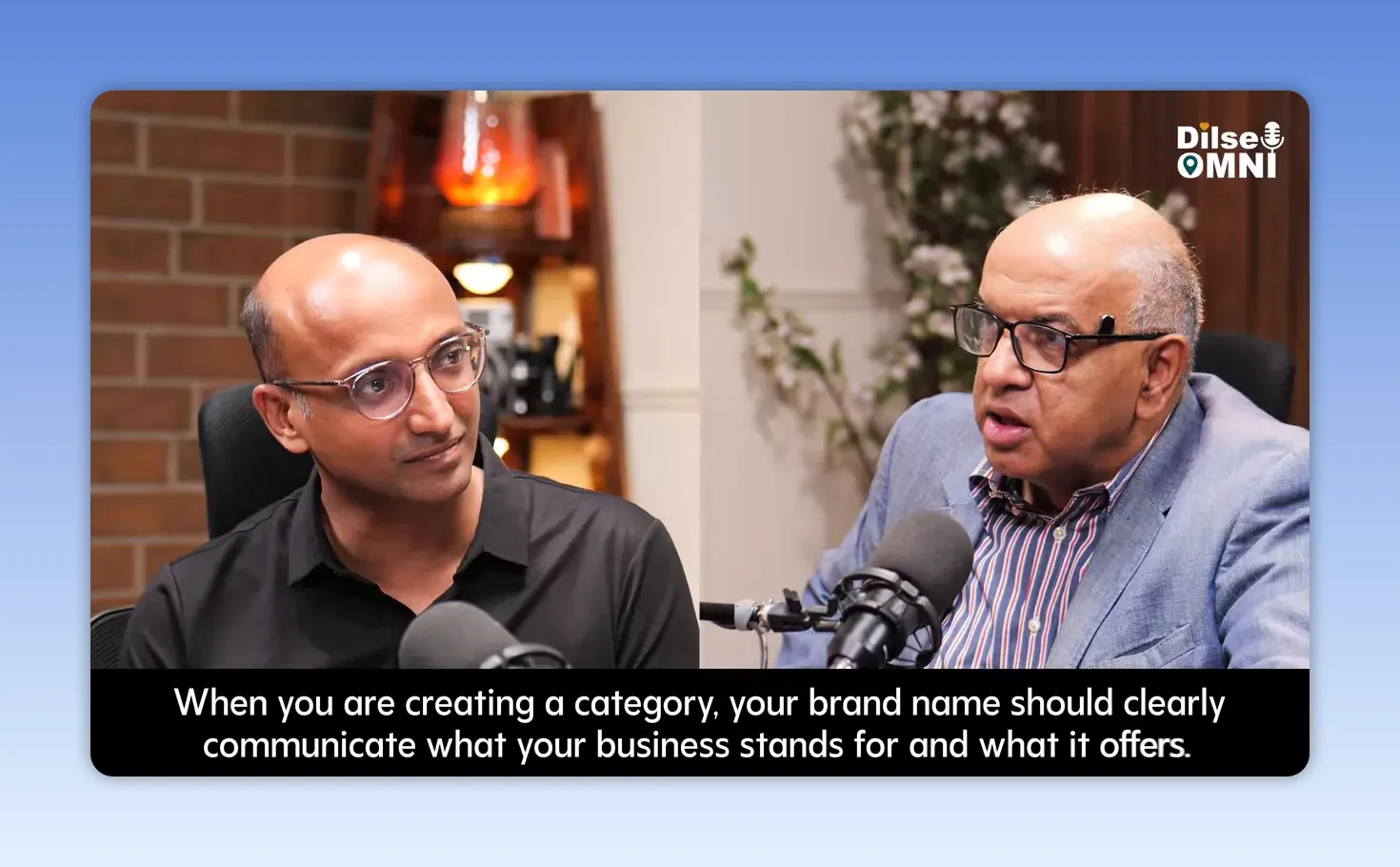
Sanjeev’s response was clear: when a company is creating a category, the name should communicate what the business is about and what it offers.
Naukri was a first mover. Jeevansathi was among the early movers. 99acres and Shiksha were also among the early players in their respective spaces. The common thread is not that every name follows the exact same formula. The common thread is that each name helps establish a clear category association.
There is also a valuable contrast in the Zomato story. Zomato was originally called Foodiebay. After Info Edge invested, Deepinder Goyal changed the name to Zomato. Sanjeev felt the change made sense, and there may also have been a legal issue with the earlier name.
Zomato is not as literal as Naukri, but it still works because it has a distinct sound, a food-related association, and a memorable personality. It shows that clarity and creativity are not opposites. The real goal is to balance both.
A category-led name can be direct. A more imaginative name can work too. But complexity for its own sake is rarely a strength. If people cannot remember it, spell it, pronounce it, or relate it to a clear idea, then the brand begins with unnecessary friction.
Simple brand names win because they are easier to repeat. And repetition is how a name becomes a brand. Every referral, search, conversation, and recommendation benefits when the name is already easy to hold in memory.
The 4 Qualities of a Great Brand Name
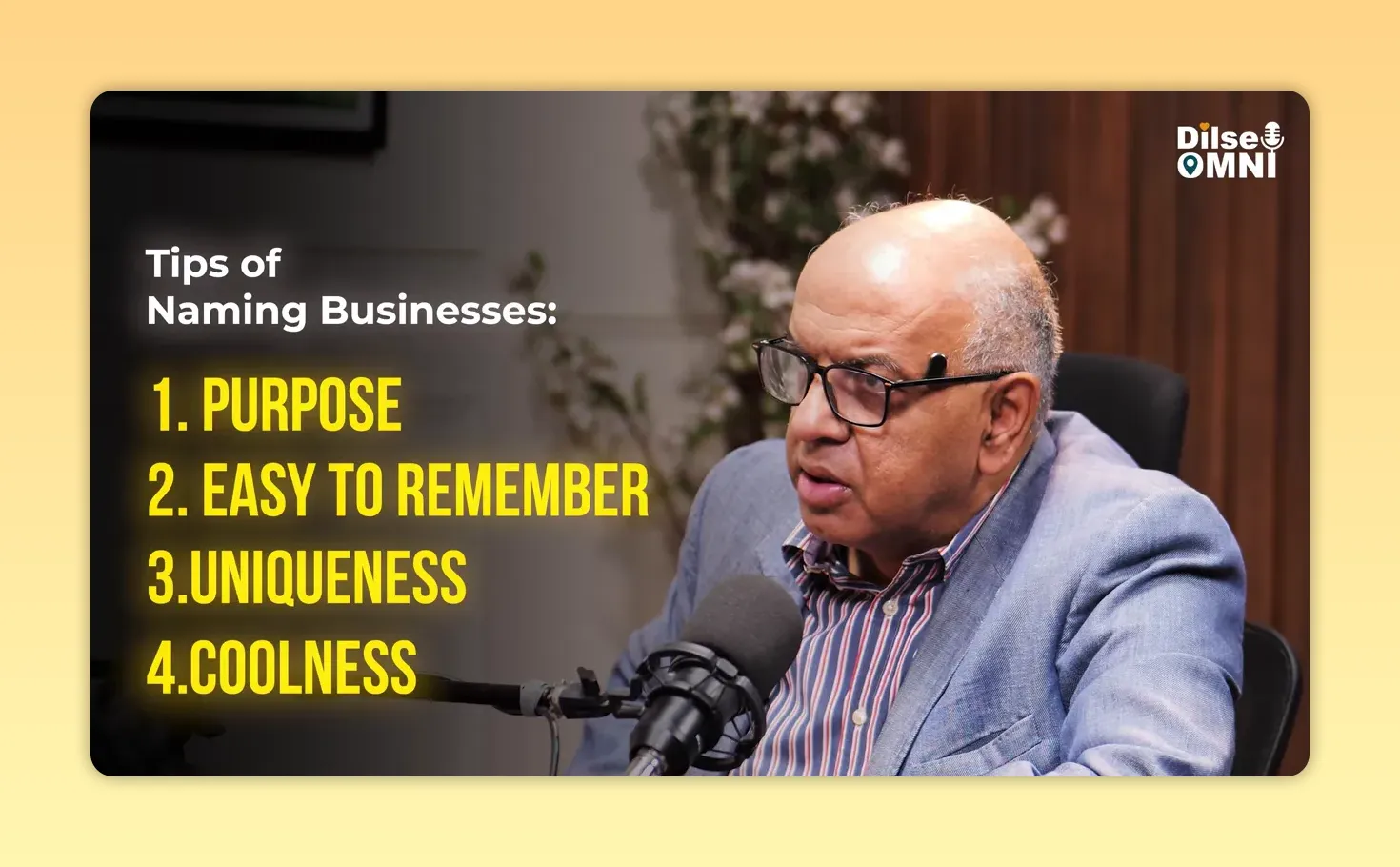
Sanjeev distilled his thinking into a remarkably useful four-part framework. It is practical enough to use before registering a domain, commissioning a logo, or spending money on a launch campaign.
The CLEAR Framework for Startup Naming
- Communicate the purpose: The name should help people understand what the business is about. For a category creator, this becomes even more important because the name participates in explaining the category itself.
- Land in memory: It must be easy to remember. A difficult name creates drop-off in word of mouth, search behaviour, and repeat recall. If people struggle to retrieve the name later, the business loses a chance to be considered.
- Establish uniqueness: A brand needs to stand apart. This is not only about creativity. It is also about avoiding confusion with existing businesses and ensuring the name can be meaningfully owned.
- Retain coolness: Sanjeev described this as having “zing” and coolness. This is the intangible element. A strong name should have some energy, personality, or charm that makes it enjoyable to say and easy to share.
The framework is simple, but founders should treat it as a scorecard rather than a checklist. A name may be clear but dull. It may be unique but impossible to remember. It may sound cool but reveal nothing about the business. The strongest names manage the trade-offs.
Here is a practical exercise based on this masterclass. Put every shortlisted name through four questions:
- Purpose: Does it give a useful clue about the category, customer need, or value proposition?
- Recall: Could someone remember it and repeat it after hearing it once?
- Distinctiveness: Is it sufficiently different from names already in the market?
- Personality: Does it have a sound, rhythm, or feeling that makes it memorable?
Then bring in the real-world constraints. Check the domain. Check the trademark path. Check whether the name works when spoken aloud. Check whether it remains usable as the company grows. The name does not need to carry every future ambition, but it should not become a barrier to the ambition either.
The Naukri story is ultimately not about finding a perfect name in isolation. It is about finding a name at the intersection of strategy and practicality. JobNet was logical, but it was unavailable. Naukri was available, clearer for its audience, culturally resonant, easy to remember, and unmistakably connected to the need it served.
That is why it endured.
A name is a compact promise. It is often the first signal of purpose, the first unit of recall, and the first building block of trust. For a founder, that makes naming less of a branding afterthought and more of a strategic decision.
I am Saurabh Agrawal and we come with a new episode on Dilse omni talks every fortnight and cover different aspect of omnichannel with amazing speakers.
This article was created from the learnings from the video Naukri Was Almost Called JobNet — Here's Why It Wasn't | Sanjeev Bikhchandani.