
Want More Customers? Let Them Try It Free
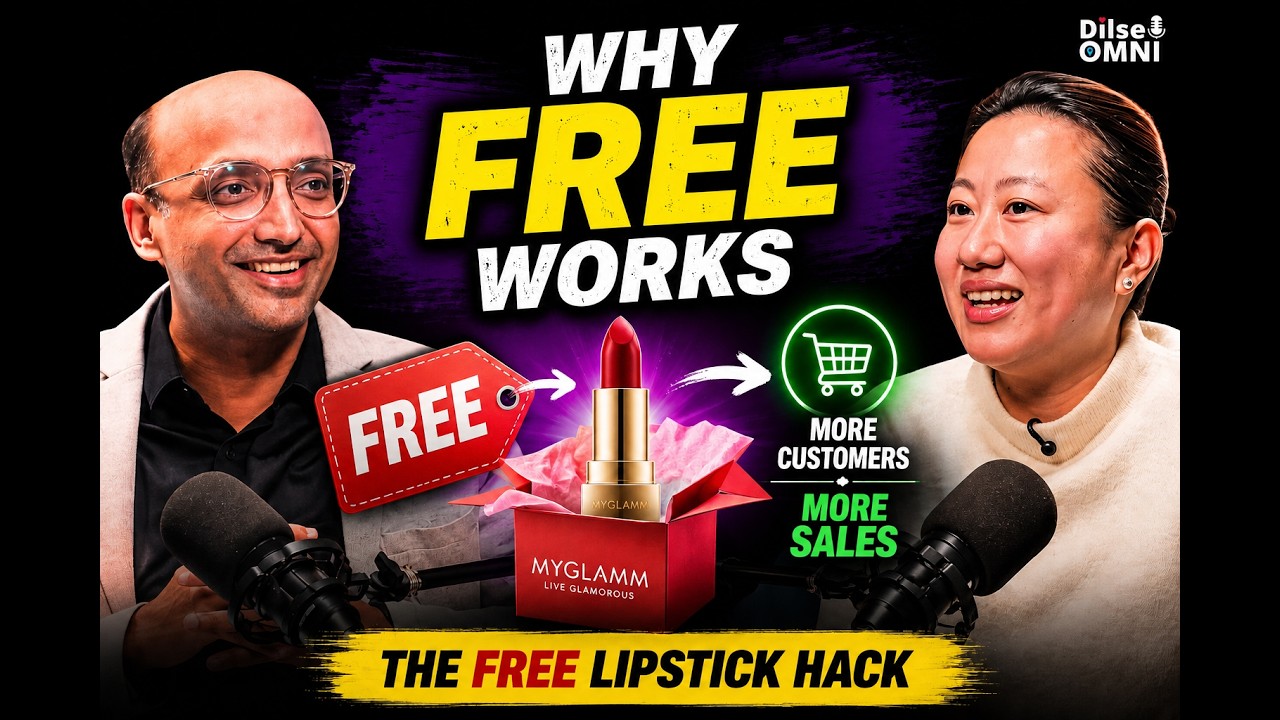
One of the biggest traps in marketing today is confusing attention with growth. A lot of social media activity is built to drive content, views, and reach. That has value, of course. But if the real business goal is new customer acquisition, discovery, and retention, then views alone are not enough.
In my conversation with Sasha, I found myself revisiting a question many founders and marketers are asking right now: how do you turn attention into actual customers?
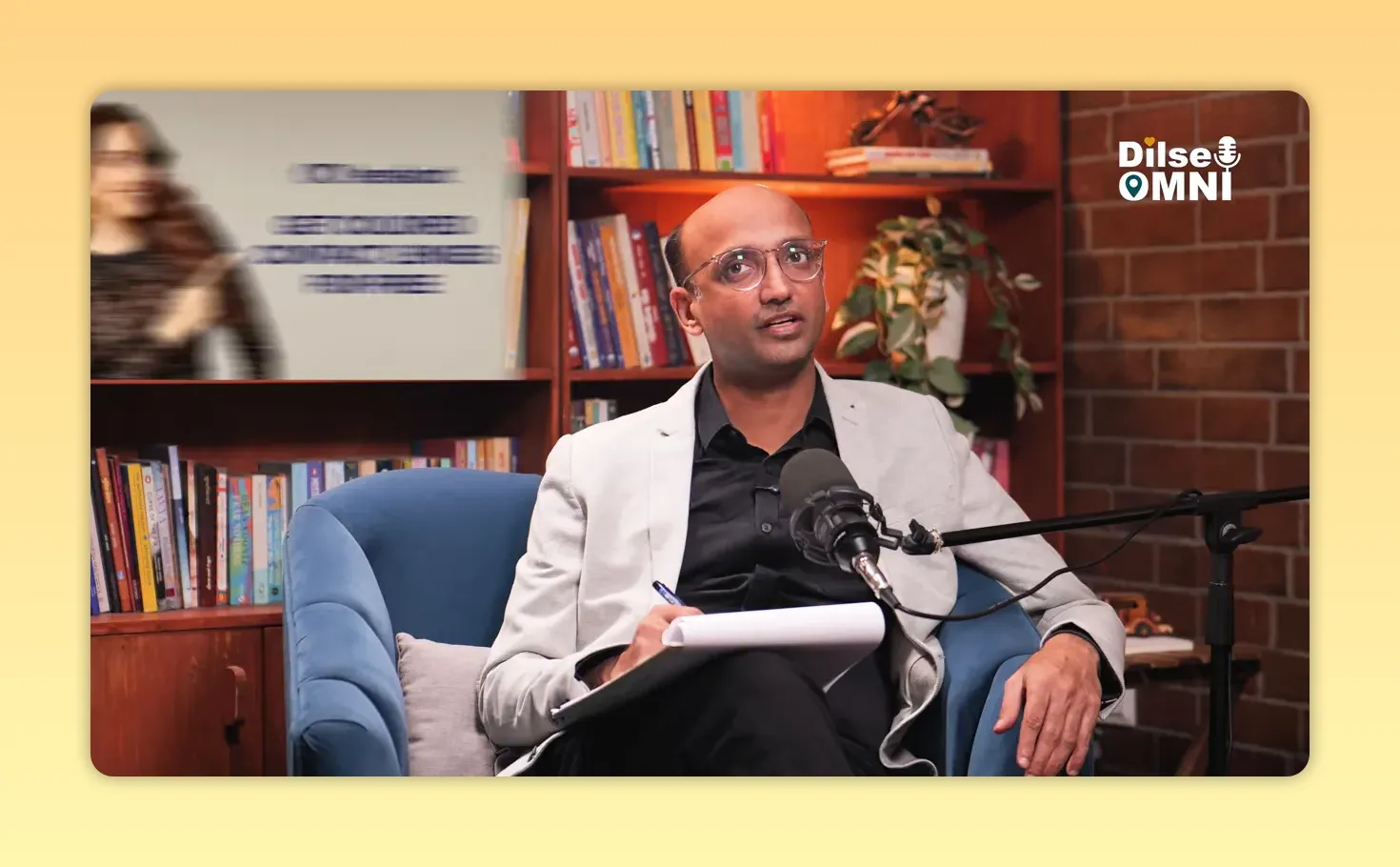
About the Guest: Sasha is a marketing strategist and Head of Marketing with experience across Lenskart, Good Glamm Group, beauty, fashion, eyewear, D2C scale-ups, omnichannel brands, and now real estate. She has lived social media across every phase and brings the rare mix of brand instinct, growth rigor, and customer understanding.
What followed felt less like an interview and more like a masterclass on growth campaigns, especially one format that continues to outperform across categories: try before you buy.
Table of Contents
- Why awareness campaigns and growth campaigns are not the same
- The first rule of a growth campaign: define the success metric upfront
- A practical framework for growth campaigns
- Why try before you buy works so well
- The MyGlamm free lipstick campaign as a growth masterclass
- Modern examples of try and buy beyond consumer brands
- The variations of try and buy every marketer should know
- What makes these campaigns succeed or fail
- The bigger omnichannel lesson I took away
Why awareness campaigns and growth campaigns are not the same
Sasha made a very important distinction early on. Not every campaign is built to do the same job. And too many teams judge all campaigns by the same superficial metrics.
For an awareness campaign, the success metrics are usually:
- Views
- Reach
- Engagement
That makes sense when the goal is simple visibility. How many people did the brand show up in front of? How many interacted with the content?
But a growth campaign needs something more direct. It has to move people into action. That action could be a purchase, a sign-up, a trial, or entry into a CRM funnel that later fuels retention marketing.
"When I am crafting a growth campaign, then we need some level of direct results." - Sasha
That line stayed with me because it cuts through a lot of noise. A campaign is not “growth” just because it performed well on social media. It is growth when it creates measurable business movement.
The first rule of a growth campaign: define the success metric upfront
Before getting excited about format, platform, influencer mix, or creative hooks, Sasha’s advice was simple: get clear on the success metric first.
Ask:
- Are we trying to drive conversion?
- Are we trying to get people into a retention funnel?
- Are we trying to acquire first-time users at scale?
- Are we trying to trigger product discovery?
Only after that should the narrative and campaign structure be designed.
I liked this because it is a very operator-minded way to think. Too often the market starts with a “cool idea” and then backfills the business logic. Sasha flips it. Start with the business outcome, then build the story around it.
A practical framework for growth campaigns
One way I now think about Sasha’s approach is through a simple four-part framework:
1. Define the outcome
Know whether the campaign is chasing awareness, acquisition, first product trial, lead capture, or retention.
2. Reduce the barrier
Make it easy for the customer to say yes. Lower risk, reduce friction, and remove hesitation.
3. Create a fair value exchange
If the brand wants money, time, data, or attention, it should give something meaningful back.
4. Let the product do the persuasion
If the product is genuinely good, experience becomes the strongest marketing asset.
This is where try and buy becomes so powerful.
Why try before you buy works so well
Sasha was unequivocal here. She loves try and buy campaigns, and for good reason.
At the heart of the format is a confidence signal. When a brand is willing to let someone experience the product before a meaningful monetary exchange, it communicates trust.
"Once you try it, you're going to love it." - Sasha
That is the unspoken message.
Psychologically, this does three things:
- It reduces perceived risk for the customer.
- It increases trust and authenticity for the brand.
- It lets product experience, not ad copy, carry the conversion.
Sasha used a lovely everyday analogy here. It is like sampling ice cream flavors before choosing one. You do not need a long brand lecture when taste can do the work.
And in growth marketing, that matters. Because when the product sells itself, customer acquisition becomes more efficient and retention starts earlier than the first full purchase.
The MyGlamm free lipstick campaign as a growth masterclass
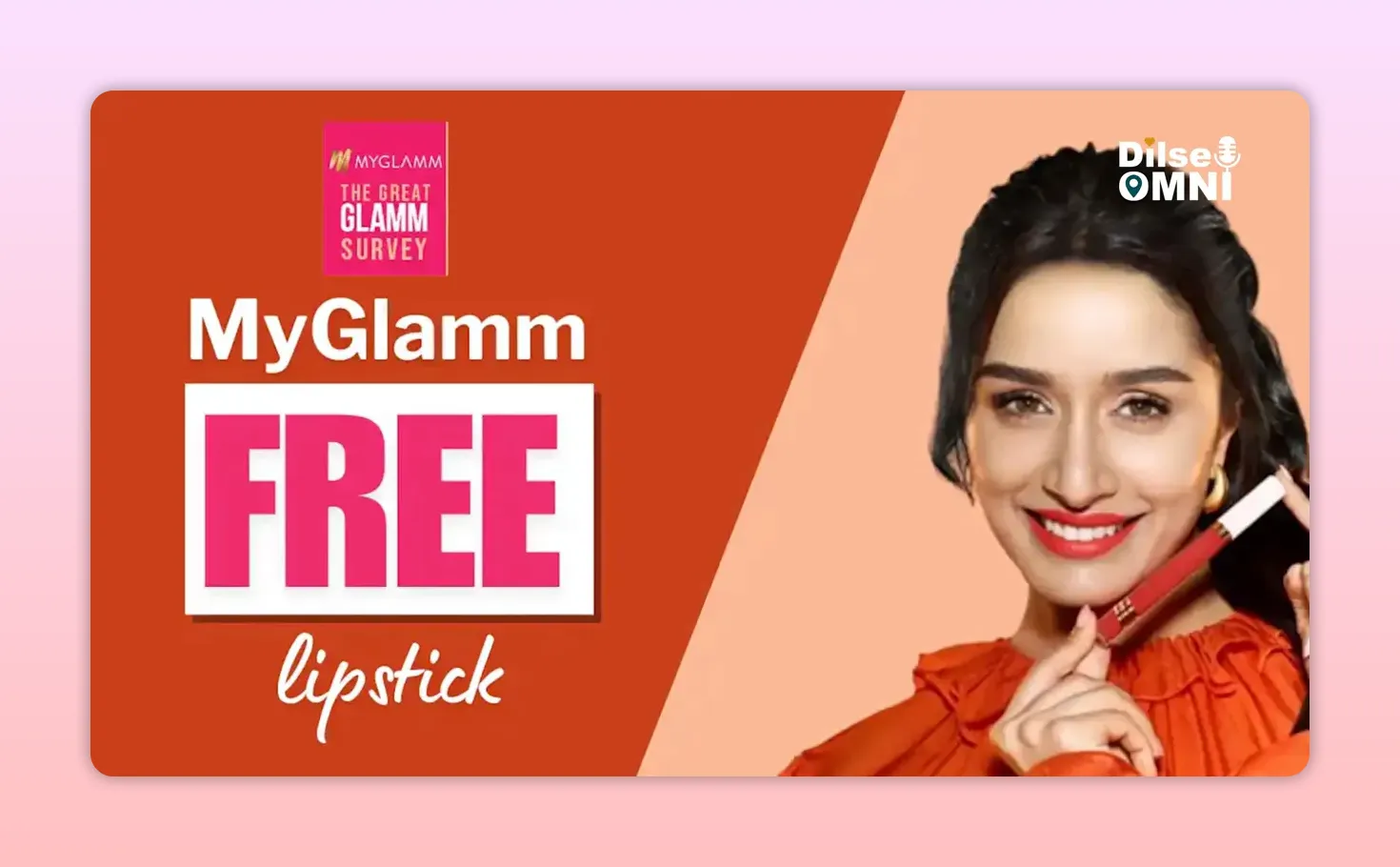
One of the most memorable examples Sasha shared from her own career was the free MyGlamm lipstick campaign. It was simple on the surface and deeply strategic underneath.
The offer allowed people to order a free MyGlamm Lit matte lipstick in a range of colors, with only a small shipping or handling fee. That low-friction entry point turned into a powerful gateway for new customer acquisition.
What made this campaign work so well?
It removed the biggest barrier
People did not have to fully commit to the brand before trying the product. That matters a lot in beauty, where shade, texture, and personal preference all influence the buying decision.
It turned acquisition into a delight moment
This was not a hard-sell performance tactic disguised as generosity. It actually felt fun. A free lipstick is a gift. The emotional energy of the exchange matters more than marketers sometimes admit.
"It was such a nice exchange of energy between the brand and the consumer." - Sasha
It created content momentum and brand awareness
This is where the campaign became especially interesting to me. It was not only a growth campaign. It also became a brand awareness engine.
Because the product was colorful, shareable, trend-friendly, and easy to talk about, the campaign generated strong content hooks. It tapped into beauty culture, product curiosity, and social sharing behavior. So while the primary goal was customer acquisition, the campaign also pushed visibility and conversation.
That is an important lesson for omnichannel brands. The best growth campaigns often do not sacrifice brand building. They do both. The direct response piece gets people in, and the shareable nature of the campaign amplifies awareness at the same time.
That is exactly how Sasha helped drive brand awareness through this campaign. The free lipstick was not just an offer. It was a story people wanted to engage with, talk about, and pass along.
It helped build customer understanding
Over time, the campaign evolved beyond simple product trial. A quiz layer was introduced to understand the consumer better. People answered several questions, helping the brand build a richer customer profile.
That detail is easy to miss, but it is actually where the campaign becomes a retention machine.
The lipstick got the first interaction. The questions built listening. The data fed future personalization. In other words, trial was not the end goal. It was the entry point into a longer brand relationship.
And crucially, the exchange remained fair.
"We are not going to take anything from you without giving something back to you." - Sasha
That principle is gold. If a brand wants information, it should reward that trust. Not exploit it.
|
Modern examples of try and buy beyond consumer brands
What I also appreciated in this conversation was that Sasha did not box try and buy into one category. This is not just a beauty playbook.
I had mentioned the Perplexity and Airtel partnership, where users were offered a free one-year Pro subscription. That is a textbook example of product-led growth thinking. Let people experience the premium product, build habit, and then let retention follow from actual utility.

Sasha pointed out that many app and subscription businesses have used similar mechanics effectively.
- Canva offering a free trial period
- Netflix using free trial access in its earlier growth phase
The principle is identical across industries: if product experience is convincing, trial becomes acquisition.
The variations of try and buy every marketer should know
One of the best parts of the discussion was mapping the different shapes this strategy can take. Try and buy is not one rigid campaign format. It is a family of growth mechanics.
1. Free trial
Best for digital products, apps, subscriptions, memberships, SaaS tools, and service-led offerings.
The goal is to get customers to experience value quickly enough that paid conversion becomes natural.
2. Free product with low shipping or handling fee
This is what MyGlamm executed so powerfully. It works especially well when the product itself creates delight and encourages repeat buying.
3. Gift with purchase
Sasha pointed to Forest Essentials as a smart example here. Rather than using blunt discounts, the brand often rewards a threshold purchase with a bag, mini samples, or another product.
This preserves premium brand perception while still encouraging trial of more products in the portfolio.
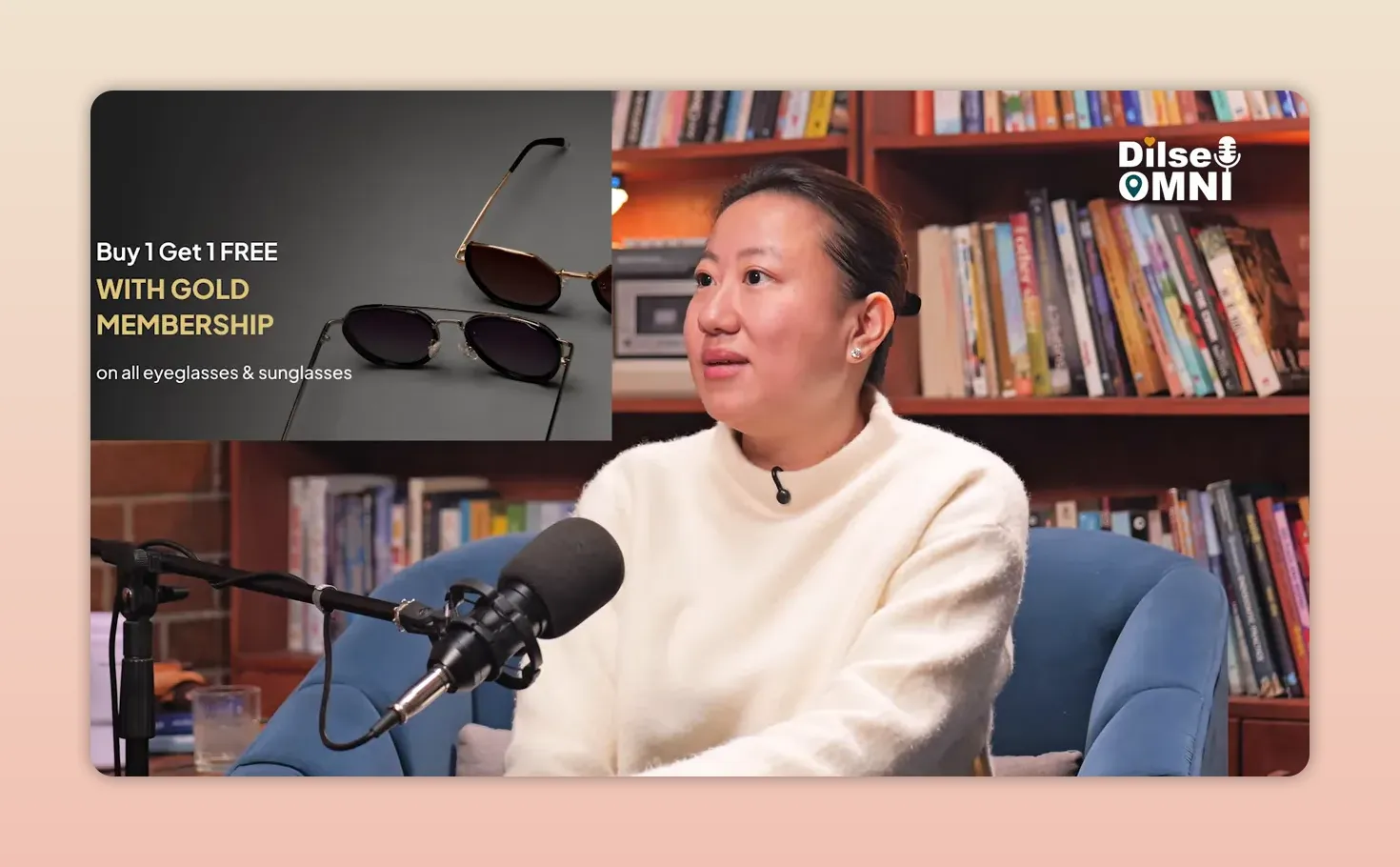
4. Buy one get one free, with a twist
Sasha was careful here, and I think this nuance matters.
She does not recommend buy one get one free on the exact same product. That can train consumers to wait for deals and can cheapen the value proposition.
Instead, use the first purchase to encourage discovery of another item. Buy one product and receive a different product. That way the offer expands the relationship instead of just discounting the same habit.
5. Category-specific trials
I also brought up free contact lens campaigns, which is another sharp example. In categories where comfort, fit, or usage confidence matter, trial can dramatically reduce the hesitation to start.
What makes these campaigns succeed or fail
Not every free offer is smart growth. Some are just expensive giveaways. Sasha’s examples make it clear that the winning campaigns have a few common characteristics:
- The product is good enough to create repeat behavior.
- The offer is low friction but not directionless.
- The exchange is fair for both brand and customer.
- The campaign is tied to a real business metric, not vanity metrics.
- The next step is planned, whether through CRM, retention, cross-sell, or repeat purchase journeys.
If any of these pieces are missing, the brand may get volume without value.
The bigger omnichannel lesson I took away
What I learned from Sasha is that retention does not begin after the first purchase. It begins at the first meaningful experience.
That experience might be a free lipstick, a premium subscription trial, a product sample, a bundled discovery offer, or a category-specific free test. Whatever the format, the best growth campaigns are not just trying to grab attention. They are trying to start a relationship.
And that is where omnichannel thinking becomes so relevant. Social media can drive discovery. A smart offer can drive trial. CRM can capture intent and learning. Retention can convert experience into repeat revenue. When these pieces connect, marketing stops being isolated activity and becomes a real growth system.
If there is one line that sums up this entire conversation for me, it is this:
Views do not automatically become revenue. Experience does the heavy lifting.
That is the masterclass here. If you want more customers, stop asking only how to get seen. Ask how to get tried.
I am Saurabh Agrawal and we come with a new episode on Dilse omni talks every fortnight and cover different aspect of omnichannel with amazing speakers.
This article was created from the video Want More Customers? Let Them Try It Free