Top 5 AI Tools Every YouTuber Needs in 2026 to Grow Faster

If you're a YouTuber in 2026 and you're only uploading to YouTube, you're leaving a huge amount of traffic, content, and growth on the table.
The biggest creators are not just making videos anymore. They're turning one video into short-form clips, blog posts, tweets, LinkedIn content, newsletters, SEO articles, and more. The real shift is not simply creating more. It's getting more out of what you already make.
That is where AI tools become incredibly useful. The right stack can help with video editing, content repurposing, distribution, short-form discovery, blogging, and overall workflow efficiency without forcing you to build everything manually from scratch.
If you want a practical creator workflow, these are the five tools worth paying attention to: Descript, Opus Clip, Repurpose.io, Video To Blog, and general-purpose AI tools like ChatGPT and Claude.
The big shift for creators: one video becomes a content engine
There is a simple idea connecting all five tools: one piece of long-form content should not stay trapped in one format.
A single YouTube upload can become:
- YouTube Shorts
- TikToks and Reels
- Written blog articles
- Search-optimized content for Google
- Social posts and hooks
- Newsletter material
- Reusable clips for future promotion
That matters because discoverability is now spread across platforms. Some people find content through YouTube search. Others through short-form feeds. Others through Google. If your workflow ends right after you publish the main video, you're underusing your best asset.
1. Descript
Descript changed the editing process for a lot of creators because it removes a major source of friction: the timeline.
The standout feature is simple but powerful. You can edit your video by editing text. Delete a sentence from the transcript, and the corresponding part of the video is cut automatically. For anyone making talking-head videos, tutorials, interviews, or podcasts, that is a huge time saver.
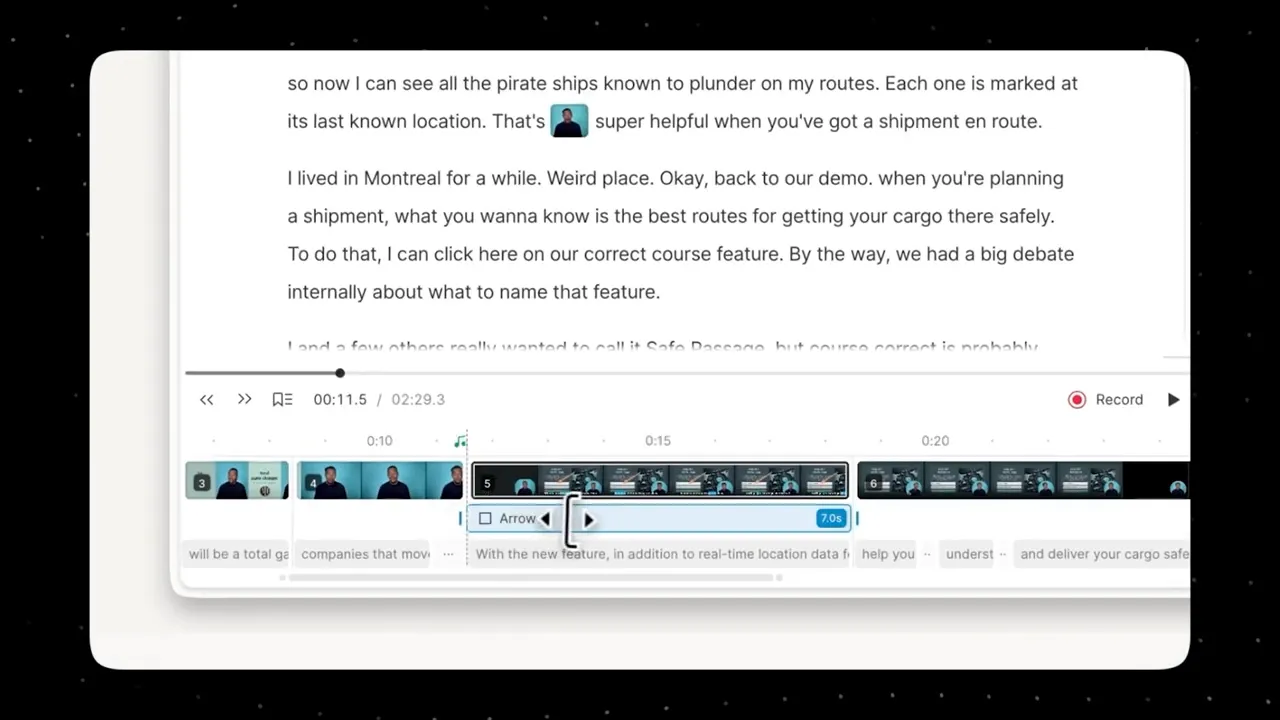
Descript also bundles several useful creator features into one place, including:
- Transcription
- Filler word removal
- Captions
- Screen recording
- Podcast editing
- AI voice cleanup
That combination matters because most creators do not just need an editor. They need a workflow tool. When the process feels lighter, it's easier to publish consistently instead of getting stuck trying to perfect every cut.
That is really the deeper advantage here. Tools like Descript lower the resistance to creating. Instead of obsessing over tiny technical details, you can focus on getting useful content out into the world.
2. Opus Clip
Opus Clip is one of the strongest AI tools right now for turning long-form videos into Shorts, TikToks, and Reels automatically.
And that matters because short-form content is one of the main discovery channels on the internet. Long-form content builds depth. Short-form content gets attention and expands reach.
Opus Clip uses AI to:
- Find the most interesting moments in a longer video
- Reframe content into a vertical format
- Add captions
- Create stronger hooks
- Generate clips with viral potential faster than manual editing
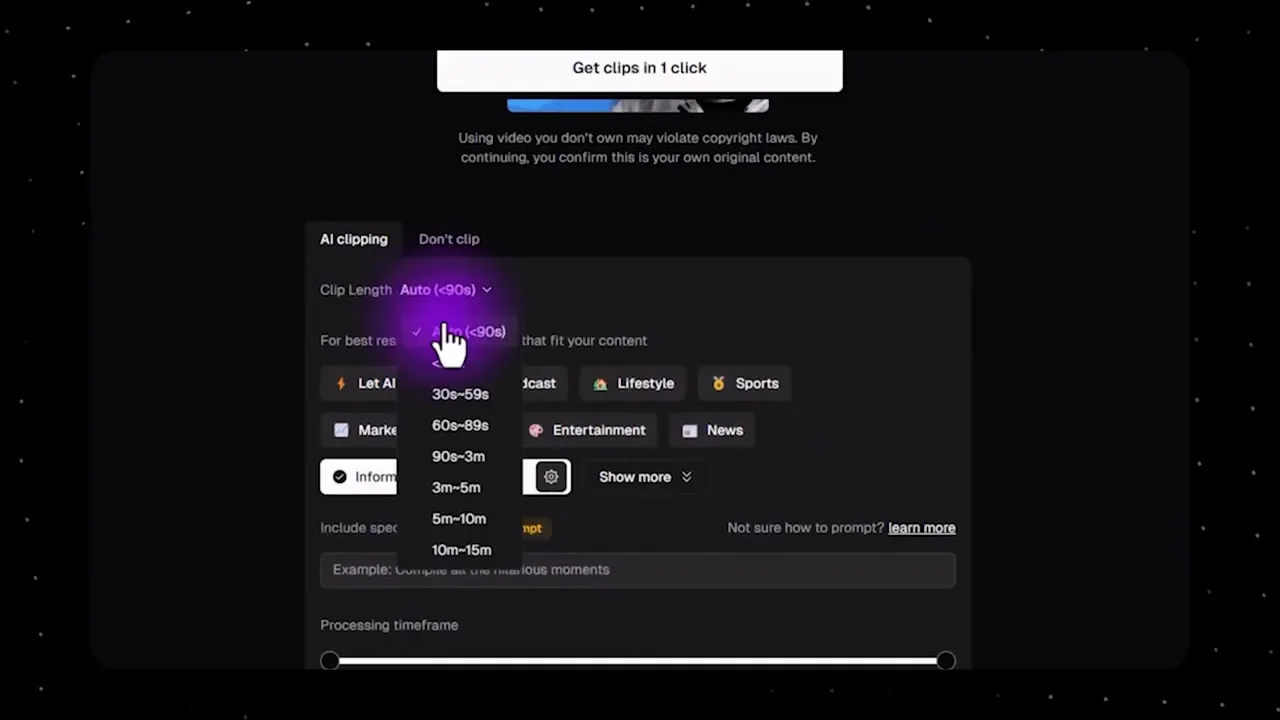
If you've ever tried to pull clips from a one-hour podcast or long tutorial manually, you already know how tedious it is. You scrub through the timeline, second-guess every segment, clip the section, resize it, caption it, then repeat the process over and over.
AI does not make that process perfect, but it makes it much faster. And speed matters when you're trying to post short-form content consistently across multiple platforms.
That is the right way to think about tools like this. Not as magic. As leverage.
3. Repurpose.io
Repurpose.io is less flashy than some of the other tools on this list, but it solves a very real problem: distribution.
For most solo creators, making the content is only half the battle. The other half is getting it everywhere it needs to go.
Repurpose.io helps automate that process by moving content from one platform to another. For example:
- YouTube to TikTok
- TikTok to Instagram Reels
- Podcasts to YouTube
- Live streams to multiple destinations
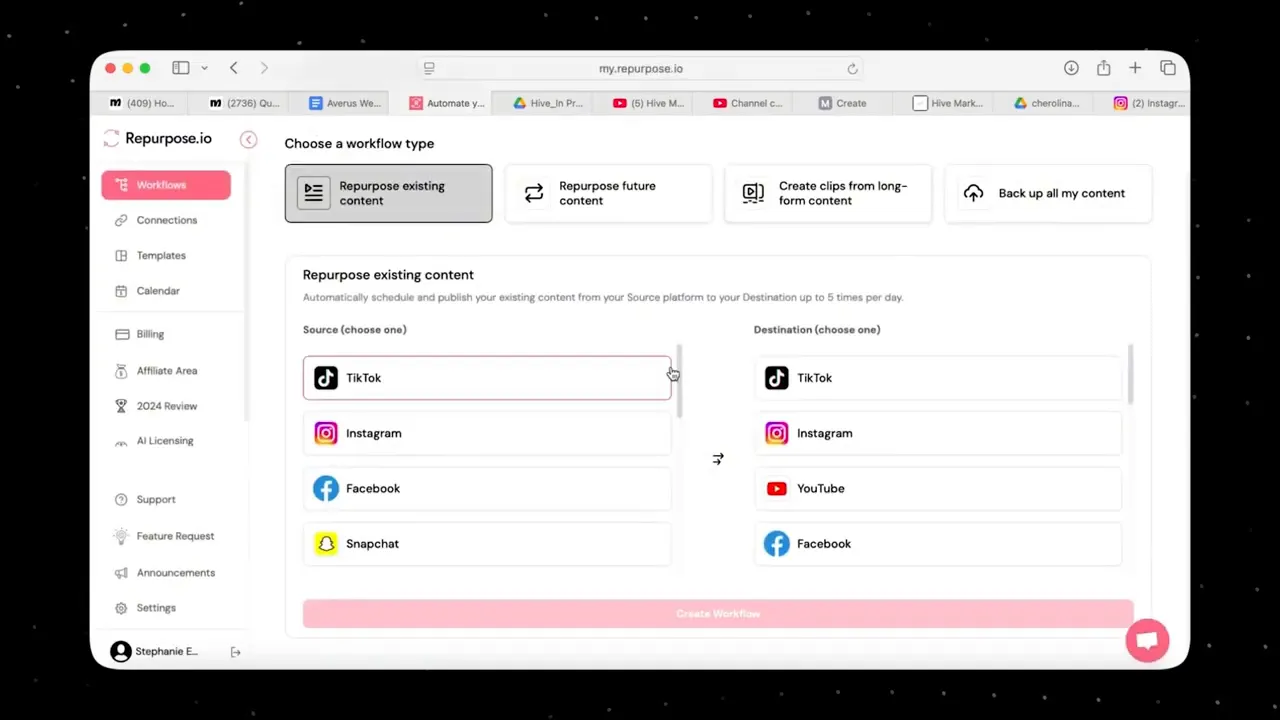
That kind of automation becomes much more important once you are publishing consistently. Manual cross-posting sounds manageable at first, but over time it becomes one of the biggest drains on energy and time.
This is especially true for solo creators who do not have a team handling post-production and distribution. In that situation, automation is not just convenient. It is often the only realistic way to stay consistent without burning out.
If your current workflow depends on remembering to manually upload every asset to every platform, you're creating unnecessary bottlenecks for yourself.
4. Video To Blog
One of the most overlooked opportunities for YouTubers is written content.
Many creators publish a video and stop there. But search traffic from Google still matters, especially for educational content, tutorials, webinars, product walkthroughs, coding videos, and interviews that answer specific questions people are actively searching for.
Video To Blog is built around this exact gap. It lets you take a YouTube video, podcast, webinar, tutorial, or other video content and turn it into a full written article automatically.
This is powerful for a few reasons.
- It expands discoverability. Your ideas can rank through search engines, not just video platforms.
- It increases the value of each upload. One recording can serve both video-first and text-first audiences.
- It saves time. You are not starting from a blank page every time you want a companion article.
One especially useful feature is that it can automatically pull relevant screenshots from the video and place them into the article. That saves a surprising amount of time and improves the quality of the final post, especially for tutorials and walkthroughs where visuals help explain each step.
For creators focused on SEO, this kind of workflow can be a major unlock. Video is excellent for engagement, but written content often performs better for search intent. Combining both formats gives your content more ways to be found.
If you want a broader reference point on why written content still matters, Google's own guidance around helpful content reinforces the importance of creating material that genuinely answers searchers' needs.
5. ChatGPT and Claude
For ChatGPT and Claude, the core idea is simple: use them to generate ideas and content building blocks you can refine into scripts, hooks, and SEO plans.
General-purpose AI tools still belong in every creator workflow.
ChatGPT and Claude are incredibly flexible, and that flexibility makes them useful across almost every stage of content creation.
You can use them for:
- Scripting
- Brainstorming ideas
- Titles
- Thumbnail concepts
- Hooks
- Outlines
- SEO ideas
- Tweet generation
- Content planning
- Research support
But there is an important nuance here. These tools are powerful, but they still require workflows. They can help you think, draft, expand, organize, and refine. What they do not do on their own is replace specialized creator software.
That is why the combination matters more than any individual app.
How these tools work best together
The real advantage shows up when you use each tool for what it is best at.
- Use ChatGPT or Claude for ideation, research, hooks, and planning
- Use Descript for editing long-form videos and podcasts
- Use Opus Clip to generate short-form clips from that long-form content
- Use Repurpose.io to distribute those assets across platforms automatically
- Use Video To Blog to turn the same content into written articles and SEO pages
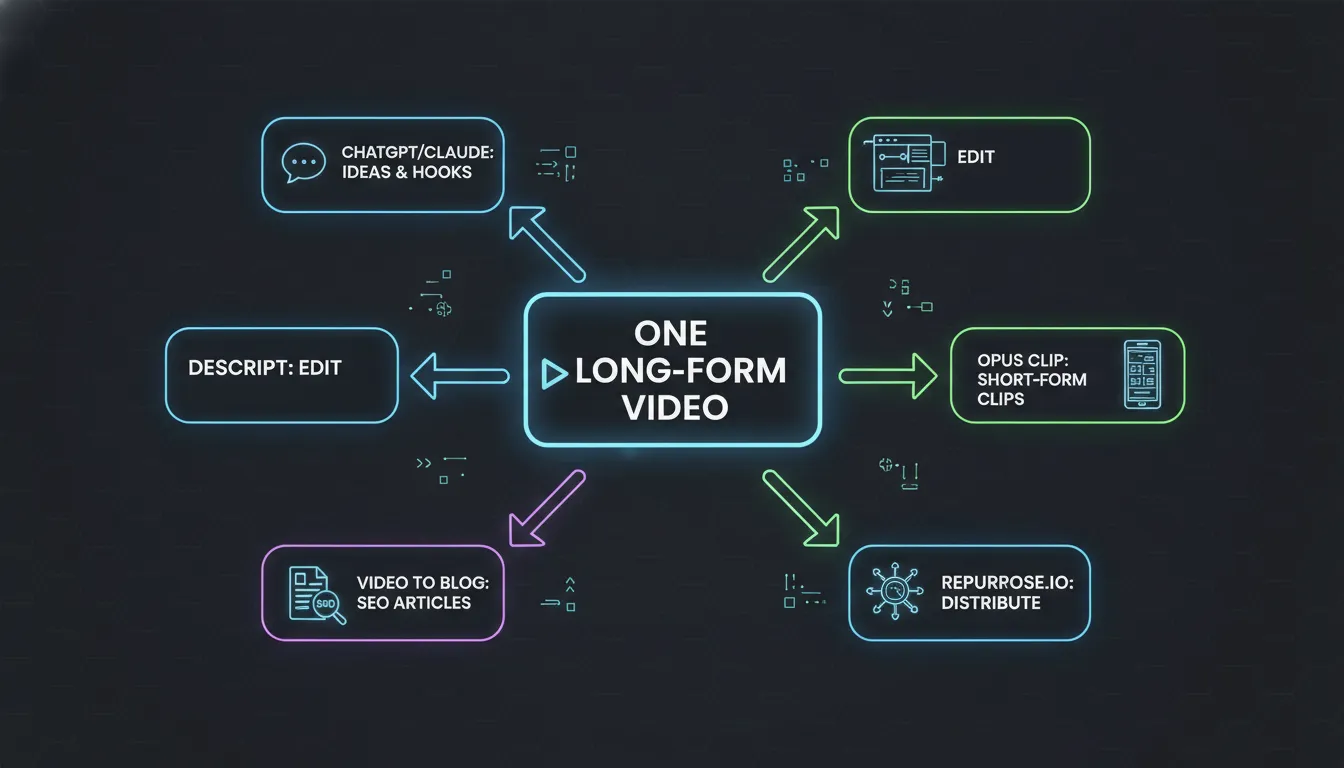
Once you start thinking this way, a single video stops being just a video. It becomes a complete content engine.
That is the biggest shift happening for creators right now. The fastest-growing creators are not necessarily the ones producing more from scratch every week. Often, they are the ones extracting more value from every recording they already made.
A practical way to think about your 2026 creator workflow
If you're trying to simplify all of this, the model is straightforward:
- Create one strong long-form piece of content
- Edit it quickly and cleanly
- Pull short-form clips from it
- Distribute those clips everywhere that matters
- Turn the original content into a written article for SEO
- Use AI assistants to support planning, packaging, and iteration
This kind of system helps with more than productivity. It also helps with consistency. Instead of constantly asking, "What should I make next?" you start building around a repeatable publishing engine.
And for creators who want to understand the broader platform context, YouTube's own guidance on YouTube Shorts is useful for understanding why short-form is such an important discovery layer.
The bottom line
If you're only uploading videos and stopping there, you're probably underutilizing your content.
The opportunity in 2026 is not just to create faster. It is to create once and distribute intelligently. AI tools now make that much more realistic, especially for solo creators who need to do editing, repurposing, SEO, and automation without a full team.
Descript helps you edit faster. Opus Clip helps you turn long-form into short-form. Repurpose.io handles distribution. Video To Blog helps you capture search traffic. ChatGPT and Claude support the entire workflow from ideation to packaging.
Used together, they give you a much more scalable way to grow.


