How to Grow a YouTube Channel With Podcast Repurposing (Video-First, Multi-Channel, Multilingual Strategy)

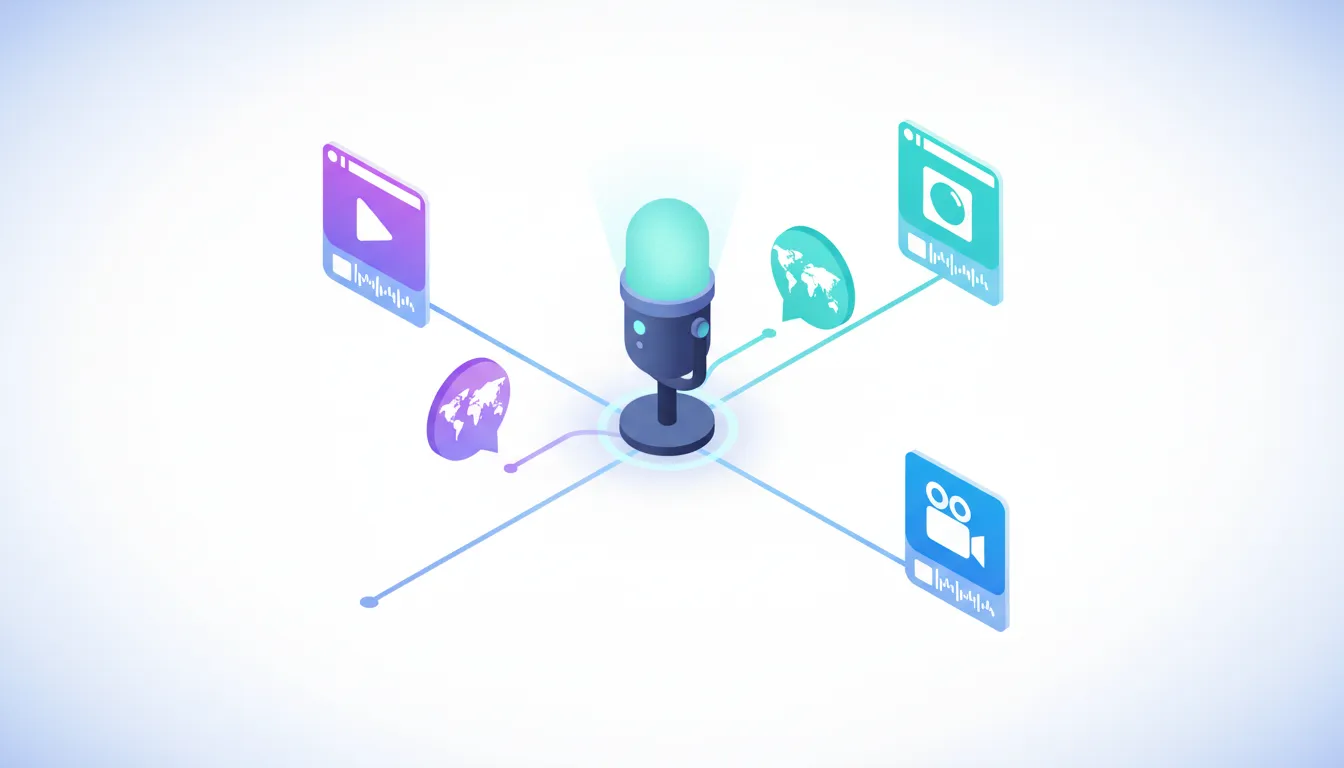
Podcast repurposing can be one of the fastest ways to grow on YouTube because it turns one long-form conversation into multiple discoverable assets. This guide focuses on a practical, search-friendly approach that works especially well for guest-based shows and story-driven interviews: video-first publishing, content repackaging, separate channels for different formats, and strategic multilingual expansion.
What “podcast repurposing for YouTube” actually means
Podcast repurposing is the process of taking audio episodes (and sometimes existing interview footage) and converting them into YouTube-ready content with a consistent viewer experience. Instead of uploading raw audio and hoping it performs, the goal is to create assets that YouTube users recognize instantly as watch-worthy.
Common repurposing formats that tend to perform
- Video-first podcast episodes: Convert each episode into a YouTube upload with visual structure (set, graphics, captions, chaptering).
- Shorts: Extract highlight moments to drive traffic back to long-form.
- Clip channels: Publish only short segments to avoid mixing lengths in one feed.
- Story re-edits: Repackage the most compelling stories into a more cinematic or narrative structure.
- Theme-based spin-offs: Create new shows from repeated high-performing topics within the same library of episodes.
Step 1: Go “video-first” even if your core is audio
If you want predictable YouTube growth, treat YouTube as the primary destination. A video-first approach usually includes:
- Uploading to YouTube first (not just mirroring audio).
- Using visuals: B-roll, subtitles, lower thirds, simple topic cards, and consistent branding.
- Building a reliable viewing experience: Viewers should know what they are getting within seconds.
Quick checklist for a video-first podcast upload
- Title: Clear outcome or topic angle, not generic “Episode 123.”
- Thumbnail: High contrast and legible at small sizes.
- Chapters: Helps retention by letting people jump to interests.
- Captions: Improves accessibility and supports watch time.
- Visual rhythm: Avoid long stretches with only waveform audio.
Step 2: Build your catalog fast with a consistent publishing cadence
YouTube growth often accelerates once the platform can learn who your content serves and once your catalog becomes large enough to compound. A practical approach is to publish often enough to:
- Test titles, thumbnails, and hooks repeatedly.
- Learn which topics earn clicks and which earn retention.
- Speed up audience discovery through more impressions.
Cadence guidance: If you can do two episodes per week, that is a strong pace. If you can sustain three per week, you can outpace many channels because you build the library and iteration speed faster.
Step 3: Reuse what already works by creating theme-based spin-offs
Many podcast libraries contain repeated “winners.” Instead of treating every episode as one uniform product, separate by topic.
A simple framework for spotting reusable content
- Identify recurring segments that generate higher engagement (downloads, comments, average view duration, or repeat guests).
- Cluster episodes by theme (for example: screenwriting, interviews, spirituality, near-death experiences).
- Create a new show format that matches the theme better than the original.
- Re-edit and re-title so the viewer sees a coherent promise.
This “split by winners” method helps avoid starting from zero when launching a new show. It also makes it easier for YouTube to categorize the channel’s content niche.
Step 4: Separate long-form, short-form, and clips into different channels
One of the biggest mistakes in channel architecture is mixing inconsistent video lengths in a single brand feed. When your uploads jump between formats, it can confuse both YouTube’s recommendations and viewer expectations.
Recommended channel structure
- Main channel: Long-form video-first podcast episodes.
- Clips channel: Short highlight segments only.
- Theme channel(s): Re-edited narrative formats (story-time style) or topic-specific series.
This separation makes your thumbnails, titles, and audience promise consistent, which supports better click-through and retention signals.
Step 5: Use Community posts to cross-pollinate growth (and get real clicks)
One underused growth lever is the YouTube Community tab. It can help you move attention across your own channels and language versions.
Community post strategy that tends to work
- Post new uploads in the community tab for the relevant channel.
- Include an image (thumbnail-style or custom graphic).
- Avoid “link-only” posts: text-only links often get little action, especially on mobile.
- Add clarity for cross-language audiences: include the primary language label, and when appropriate, link to the original language version.
- Use frequency: multiple posts per day can accelerate engagement during launches.
If you build a multilingual network, community posting becomes a “bridge” that tells people where to find the version that fits their needs.
Step 6: Expand with multilingual channels (only when it fits your content)
Multilingual expansion can be a major growth multiplier, but it should be strategic. Not every niche translates well. The best candidates tend to be:
- Universally relevant topics (history mysteries, spirituality, near-death stories, human experiences).
- Conversation-friendly formats where meaning survives translation.
- High interest across cultures so you are not forcing audience mismatch.
How to translate without losing the value
- Translate scripts or subtitles carefully (especially if humor or nuance matters).
- Replace on-screen text in titles, lower thirds, and graphics.
- Localize the presentation: brand assets and channel packaging should match the target language audience feel.
Important caution: do not overload your production pipeline
It is tempting to launch many languages quickly, but translation and editing create real operational load. A common failure mode is rushing, then burning out the workflow or quality bar.
Better approach: Launch a small set first, measure performance, then expand on a predictable cadence (for example, every few weeks or monthly depending on team capacity).
Step 7: Create story-driven “new formats” from existing interviews
Re-edits can outperform republished audio because they change the viewing contract. Instead of “listen to an episode,” the viewer gets “here is a story” with improved structure.
Story-style re-edit blueprint
- Pick a single compelling thread from the original conversation.
- Reorder segments into a narrative arc (setup, conflict, turning point, resolution).
- Add B-roll that supports the topic without distracting.
- Use text overlays for key moments and time markers.
- Create a distinct thumbnail and title angle aligned to the story promise.
This approach also helps with audience clarity. People searching for “near-death experiences” or “what happens when we die” may not respond to a generic podcast title, but they will respond to a story-driven package.
Common pitfalls to avoid
1) Mixing long-form and short-form in the same channel feed
Even if both formats are relevant, inconsistent lengths can dilute viewer expectations. Use separate playlists or separate channels when your content type changes significantly.
2) Posting only links instead of using images in Community posts
Community posts typically perform better when they include a visual element that resembles a thumbnail.
3) Launching too many languages too fast
Quality and workflow matter. If translation, captions, and localization fall behind, retention can suffer. Expansion should be paced to production capacity.
4) Relying on audio-only uploads to compete on YouTube
YouTube rewards watch time and user experience. If your upload looks like a raw podcast file, you may lose retention before the audience finds value.
5) Treating every episode as equal
Not all podcast episodes will perform equally. Build a repurposing pipeline that focuses on what earns signals (clicks, retention, returning viewers) instead of “everything gets the same treatment.”
How to plan your first 30 days of podcast-to-YouTube growth
- Pick your main niche promise: one sentence that describes what viewers get.
- Publish video-first uploads consistently: aim for two to three per week.
- Create 3 to 5 Shorts per week from the strongest moments.
- Use chapters and thumbnails to reduce friction and boost clicks.
- Re-edit one story-style long-form piece from your existing library.
- Start Community posts for new uploads, with images and clear language labeling.
- Track what wins: clicks, retention, and comments. Double down on those topics.
Once the pipeline is stable, you can add a clips channel and begin planning multilingual versions.
FAQ: Podcast repurposing and YouTube growth
Do I need to show my face on camera?
No. But you need to create a satisfying visual experience. Many successful podcast-to-YouTube channels use sets, slides, B-roll, captions, and clear chaptering to hold attention.
Is it better to start with audio or video?
If the goal is YouTube growth, start with video-first publishing. Audio can grow too, but video-first generally aligns better with YouTube’s discovery and retention mechanics.
When should I create a clips channel?
When you have enough high-quality highlights to publish consistently and you want a distinct viewer promise. Separate feeds help prevent “format confusion.”
Can I translate my existing episodes immediately?
You can, but translation quality and localization matter. Start with one or two languages that match your topic’s global demand and your production capacity.
Will Shorts make money directly?
Shorts can drive growth and subscriptions even if direct monetization is limited. Their primary job is often traffic acquisition to your long-form content.
Takeaway
The highest-leverage podcast-to-YouTube strategy is not just “upload more.” It is building a system: video-first publishing, fast catalog growth, theme-based spin-offs, separate channels for different content lengths, Community posts with visuals, and selective multilingual expansion. When these pieces work together, discovery compounds and your content library becomes an asset that keeps performing.


